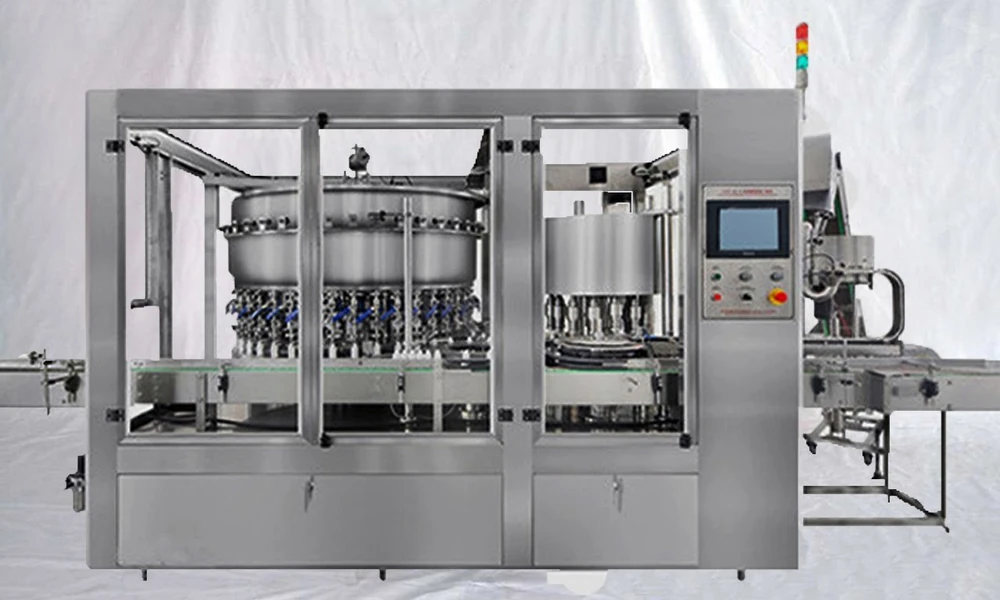
Packaging lines are only as fast as their slowest machine. A filler that runs at high speed is wasted if the capper cannot keep up, and a fast capper does little good if bottles queue at the filler. A combined filling and capping machine setup, or a well-coordinated pair of machines, helps reduce bottlenecks and keep production flowing. This article explains where bottlenecks commonly occur and how to address them.
Identifying the Bottleneck
The first step is identifying where the line slows down. Observing the line during production often reveals queues of containers waiting before a machine or gaps after it. Measuring the output of each machine individually helps identify which one limits overall speed. Bottlenecks may shift as production conditions change, so periodic review is useful. Simple time studies, using a stopwatch and tally sheet, are often enough to find the slowest point. The slowest machine sets the pace for the entire line.
Common Causes of Bottlenecks
Bottlenecks in filling and capping lines often arise from a few common causes. These include:
- Mismatched speeds between filler and capper
- Frequent stoppages from jams or misfeeds
- Slow changeovers between products or sizes
- Manual steps between automated machines
- Inconsistent container supply
Addressing these causes improves overall line efficiency.
Matching Filler and Capper Speeds
The filler and capper should run at compatible speeds. Ideally, the capper should be slightly faster than the filler, so it can clear containers without creating a queue. Integrated filling and capping machines are designed with matched speeds. When combining separate machines, careful selection and adjustment help achieve balance. A capper running only a little slower than the filler can cause a growing queue over a long shift. Variable-speed drives make this tuning much easier on existing lines.
Reducing Jams and Misfeeds
Jams and misfeeds cause frequent stoppages. Causes include poor container handling, inconsistent cap feeding and worn components. Proper guide rails, correctly adjusted conveyors and reliable cap feeders reduce these issues. Regular maintenance and quick access for clearing jams help minimise downtime. Recording the cause of every stoppage for a week usually reveals one or two recurring problems. Container quality matters too, since out-of-specification bottles cause many jams.
Integrated Filling and Capping Machines
Integrated machines combine filling and capping in a single unit, with synchronised operation. This reduces transfer points, saves space and simplifies control. Integrated filling and capping machine systems can be particularly effective for small and medium production lines where space and coordination are concerns. They also reduce the risk of containers being disturbed between filling and capping. They are often easier to clean and validate than two separate machines. Fewer transfer points also mean fewer places for containers to tip over.
Faster Changeovers
Changeovers between products or container sizes reduce available production time. Machines with tool-free adjustments, quick-change parts and stored settings shorten changeovers. Planning production runs to minimise changeovers also helps. Training operators on efficient changeover procedures can significantly reduce downtime. Colour-coded change parts and printed settings sheets speed up the process further. Some lines cut changeover time by half simply by preparing parts in advance.
Automating Manual Steps
Manual steps between machines, such as placing caps or transferring bottles, often slow production. Automating these steps, for example with cap feeders or conveyors, improves consistency and speed. Even partial automation can relieve bottlenecks caused by manual handling. Manual cap placement, for example, is often the first task worth automating on a growing line.
Consistent Container Supply
Inconsistent container supply can starve the filler and create gaps in production. Container unscramblers, accumulation tables and buffer conveyors help ensure a steady flow. Buffer areas also allow upstream or downstream machines to continue running briefly if one machine stops. A small accumulation table before the filler can absorb short interruptions upstream. Unscramblers remove the need for operators to place empty bottles by hand.
Maintenance and Reliability
Unplanned breakdowns create bottlenecks. Preventive maintenance, spare parts availability and operator training help keep machines running reliably. Monitoring machine performance can identify developing problems before they cause stoppages. Scheduling maintenance during planned breaks avoids taking the line down during production. Keeping critical spares at the line avoids long waits.
Measuring Line Performance
Tracking performance helps identify improvement opportunities. Useful measures include:
Regular review of these measures supports continuous improvement.
Downstream Packing
Bottlenecks do not always sit at the filler or capper. Labelling, case packing and palletising can also limit output, particularly when they rely on manual work. Watching where finished products accumulate at the end of the line often reveals these hidden constraints. Balancing the whole line, from container supply to pallet, gives a truer picture of capacity than looking at the filler alone. Automated case packers often remove the last major constraint.
Building a Balanced Line
Reducing bottlenecks requires looking at the whole line, not just individual machines. Matching speeds, reducing stoppages and automating manual steps all contribute. For manufacturers planning or upgrading lines, a supplier of automatic filling and capping lines can help design a balanced system. Small improvements at the slowest point usually deliver more than large investments elsewhere.